Source Black Ankle Compression Sleeve for Basketball Football Tennis
Compare 30 listings for the black ankle compression sleeve designed for basketball, football, and tennis. Buyers can evaluate materials like neoprene and spandex, customization options, and pricing from verified Chinese manufacturers; compare the available evidence and request quotations based on your requirements.
Key considerations
Products List


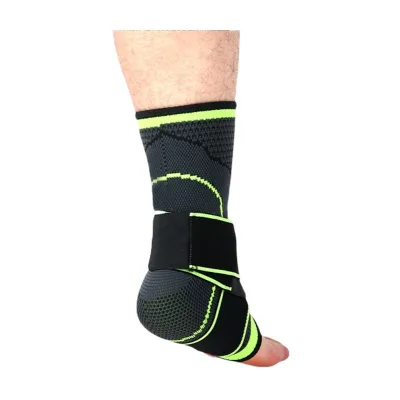


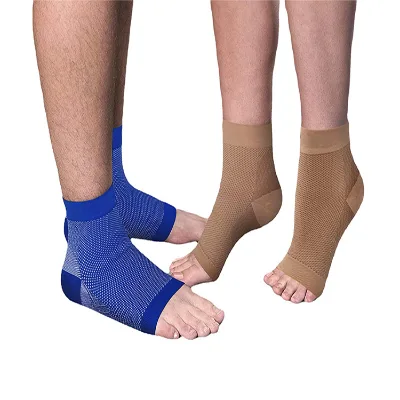


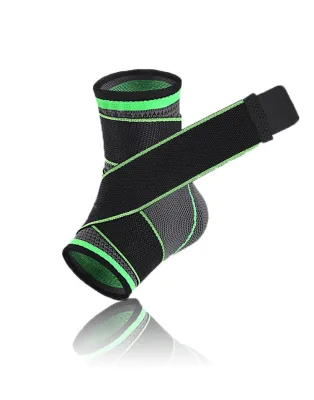

Comprehensive Sourcing Guide
Black Ankle Compression Sleeve Sourcing Guide
Procuring black ankle compression sleeves requires distinguishing between general elastic supports and specialized medical fixation devices. The market data indicates a clear divergence where some listings target athletic protection for basketball and football, while others specify usage for fracture fixation and deformity correction. Buyers must carefully align their specific operational needs with the product's intended function, as a sleeve designed for breathability during tennis matches differs significantly from an external fixator requiring aluminum splints.
Verification of the product model number is the first critical step in this sourcing process. Listings show distinct identifiers such as DNHJ-03 for general sports use and DNOR-F03 for medical applications involving neoprene and aluminum. Selecting the wrong category can lead to procurement failures where the item lacks the necessary structural rigidity for injury recovery or fails to provide adequate compression for high-intensity athletic performance.
Product Scope and Observed Listing Signals
The observed product range spans from unadjustable elastic fabric sleeves to adjustable models featuring straps and neoprene construction. Listings confirm that colors typically include black and grey, with some variations offering blue options, though the core keyword focuses on the black variant. The material composition varies widely, ranging from simple spandex and nylon blends to complex mixes involving aluminum splints, necessitating a precise match between the buyer's requirement for flexibility or rigidity and the supplier's specific offering.
Customization capabilities are a significant variable in this market segment, with some suppliers offering OEM services and others providing non-customized stock items. The data shows that while some products allow for customized logos and specific packaging, others are strictly standard. Buyers should verify if the "Customization" attribute applies to the specific model they intend to purchase, as this affects lead times and minimum order quantities, which range from 20 to 1000 units depending on the supplier's capacity.
Technical Specifications to Verify
Technical verification must begin with the weaving technology and material composition, as these dictate the sleeve's durability and compression profile. The supply chain features 3D flat knitting for elastic fabric models, which offers superior breathability and fit, whereas medical-grade options utilize neoprene combined with aluminum splints for structural support. Confirming the specific material, such as spandex or nylon blends, ensures the product meets the required elasticity and moisture-wicking properties for the intended activity.
Size and weight specifications are equally critical for ensuring proper fit and comfort during extended use. While some models are listed as "Free Size," others provide a comprehensive range from S to XL to accommodate different user demographics. The standard weight varies between 100g and 150g, indicating differences in material density and protection level. Buyers must cross-reference the listed thickness, described as medium in some cases, against the specific protection projects like basketball or fracture fixation to ensure the device offers the correct balance of support and mobility.
Compliance and Safety Documentation
Safety documentation is paramount when sourcing products intended for medical applications such as fracture fixation or deformity correction. The market data indicates that certain models carry CE and ISO certifications, which are essential for validating that the product meets international safety and quality standards. Buyers must explicitly request these certificates for any item claiming to be an external fixator or a medical-grade support, as general sports sleeves may not require the same level of regulatory compliance.
For athletic applications, the focus shifts to verifying that the product meets the specific protection projects listed, such as basketball, football, or tennis. While general sports sleeves may not carry medical certifications, they must still demonstrate compliance with safety standards relevant to their usage. It is vital to confirm that the "Protection Projects" attribute accurately reflects the intended sport, ensuring the sleeve provides the necessary ankle protection and injury prevention capabilities without making unsupported medical claims.
Cost Drivers and Commercial Terms
The pricing structure for black ankle compression sleeves is influenced heavily by material complexity and customization requirements. Basic elastic fabric models typically fall within the lower end of the observed price range, while specialized units incorporating aluminum splints or advanced 3D knitting technologies command higher costs. Buyers should anticipate that the price per unit will fluctuate based on the specific model number and the inclusion of features like adjustable straps or custom branding.
Commercial terms are further dictated by the minimum order quantity and the supplier's service model. The observed MOQ ranges from 20 to 1000 units, creating a significant barrier for small buyers seeking specialized medical devices. Additionally, the availability of OEM and ODM services can impact the final cost, as customizing logos or packaging often incurs additional fees. Understanding these cost drivers is essential for budgeting and negotiating effectively with suppliers in the Chinese manufacturing sector.
Supplier Qualification and Quality Control
Supplier qualification requires a rigorous assessment of their origin and production capabilities, as the data points to specific regions like Hebei and Anhui. Buyers should verify the supplier's ability to maintain consistent quality across different product lines, particularly when transitioning from general sports sleeves to medical-grade external fixators. The presence of OEM services suggests a capacity for customization, but it is crucial to confirm that the supplier has the necessary infrastructure to handle both standard and specialized production runs.
Quality control measures must be established to ensure that the final product matches the observed specifications regarding material and construction. Since the shelf life is listed as five years for some items, buyers should request evidence of durability testing to validate these claims. Inspecting the packing method, which ranges from PE bags to cartons, is also necessary to prevent damage during transit. Establishing a clear quality agreement with the supplier helps mitigate risks associated with inconsistent product performance.
Long-Term Procurement Checks
Long-term procurement success depends on maintaining a consistent supply chain for products with a five-year shelf life. Buyers should monitor inventory levels to ensure that the black ankle compression sleeves remain available without degradation over time. Regular audits of the supplier's stock and production schedules are necessary to prevent shortages, especially for specialized models like the DNHJ-03 or DNOR-F03 that may have limited production runs.
Continuous verification of product attributes is essential to ensure that the items continue to meet the original specifications. As market trends shift, suppliers may alter materials or manufacturing processes, potentially affecting the breathability or protection level of the sleeves. Buyers must establish a protocol for re-validating the product against the initial requirements, including checking for updated certifications and confirming that the customization options remain available for future orders.
FAQs
What materials are used in black ankle compression sleeves?
Black ankle compression sleeves are typically constructed from elastic fabrics such as spandex, nylon, and spandex blends. These materials provide the necessary stretch and recovery for a secure fit. Some specialized models may incorporate neoprene and aluminum splints for enhanced structural support and fracture fixation, ensuring durability during athletic activities.
Can black ankle compression sleeves be customized for branding?
Yes, many suppliers offer customization services for black ankle compression sleeves. Buyers can request customized logos and specific color options like grey, blue, or black. OEM and ODM services are widely available, allowing businesses to tailor the product packaging and design to meet their specific brand requirements and market positioning needs effectively.
Which sports are black ankle compression sleeves designed to protect?
Black ankle compression sleeves are designed to protect ankles during various high-impact sports. They are particularly suitable for basketball, football, tennis, badminton, and table tennis. The primary function is to provide ankle protection and prevent injuries by offering stability and support, making them essential gear for athletes participating in these dynamic activities.
What certifications do black ankle compression sleeve manufacturers hold?
Manufacturers of black ankle compression sleeves often hold CE and ISO certifications. These credentials indicate compliance with international quality and safety standards. Buyers should verify these certifications to ensure the products meet regulatory requirements for their target markets, guaranteeing that the medical or sports equipment is safe and reliable for end-users.
How are black ankle compression sleeves packaged for shipment?
Black ankle compression sleeves are typically packaged in PE bags or plastic bags for individual units. These are then placed into cartons for bulk shipping. This packaging method protects the product from moisture and damage during transit. Buyers should confirm the specific packing details with suppliers to ensure compliance with their logistics and storage requirements.
What is the typical shelf life of black ankle compression sleeves?
The typical shelf life of black ankle compression sleeves is five years. This duration ensures that the elastic properties and structural integrity remain effective until use. Buyers should store the products in a cool, dry place to maintain their condition. Proper storage helps preserve the material quality and extends the usable life of the sleeves.